

President Bola Tinubu has engaged Nigeria’s international partners diplomatically following U.S. President Donald Trump’s threat of military action over alleged mass killings of Christians in Nigeria.

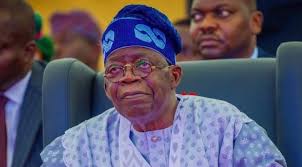
Speaking at the Federal Executive Council meeting in Abuja on Thursday, Tinubu assured Nigerians the government is committed to defeating terrorism and securing the nation.
“We assure all of you that we will defeat terrorism in this country,” Tinubu said, emphasizing ongoing economic reforms that have strengthened Nigeria’s growth and global standing, highlighted by the oversubscribed $2.3 billion eurobond.

Tinubu’s comments respond to escalating tensions after Trump designated Nigeria a “Country of Particular Concern” and signaled potential sanctions and military measures over religious violence claims. Trump’s administration, backed by several U.S. lawmakers, urged actions including sanctions against northern Nigerian states enforcing Sharia law.
The northern coalition, led by the Northern Elders Forum (NEF) and the Coalition of Northern Groups, rejected these moves as interference and an assault on Islam, describing the threats as “empty” and politically motivated. NEF’s Prof. Abubakar Jiddere accused the U.S. of using the situation to counter Nigeria’s increasing ties with China.

Meanwhile, South-West Islamic clerics called on the international community, especially the U.S., to respect Nigeria’s sovereignty and avoid actions that could destabilise peace efforts.
Federal Government officials remain calm. Information Minister Mohammed Idris said after the council meeting that diplomatic channels with the U.S. are open, emphasising Nigeria’s preference for dialogue over escalating rhetoric. He reiterated Nigeria’s constitutional protection of religious freedom amid security challenges.
The Nigeria Evangelical Fellowship urged the government to intensify efforts to disarm terrorists and ensure justice, dismissing foreign claims of Christian genocide as inaccurate and emphasizing terrorism and governance deficits as root causes of violence.
Civil society groups protested at Lagos Assembly against Trump’s threats, warning that such actions could harm Nigeria’s economy and worsen security.
In the diplomatic sphere, China reaffirmed its support for Nigeria’s fight against terrorism and opposed foreign interference under the guise of religion or human rights, reiterating commitment to a strategic partnership.
Domestically, the Federal Government has commenced a nationwide overhaul of police and security training institutions to restore professionalism and capacity. Governors and security leaders pledge reforms, including enhanced welfare for troops and community-oriented strategies to tackle insecurity.
On the legislative front in the U.S., several congress members applauded Trump’s designation of Nigeria as a Country of Particular Concern and vowed further diplomatic and legislative actions, including sanctions and resolutions condemning the persecution of Christians.
At a regional level, ECOWAS leaders, Islamic scholars, and traditional rulers convened in Abuja calling for peaceful counter-terrorism strategies through education and community resilience.
President Tinubu’s administration is balancing internal security challenges, economic reforms, and international diplomacy amid heightened global scrutiny over Nigeria’s religious and security climate.