

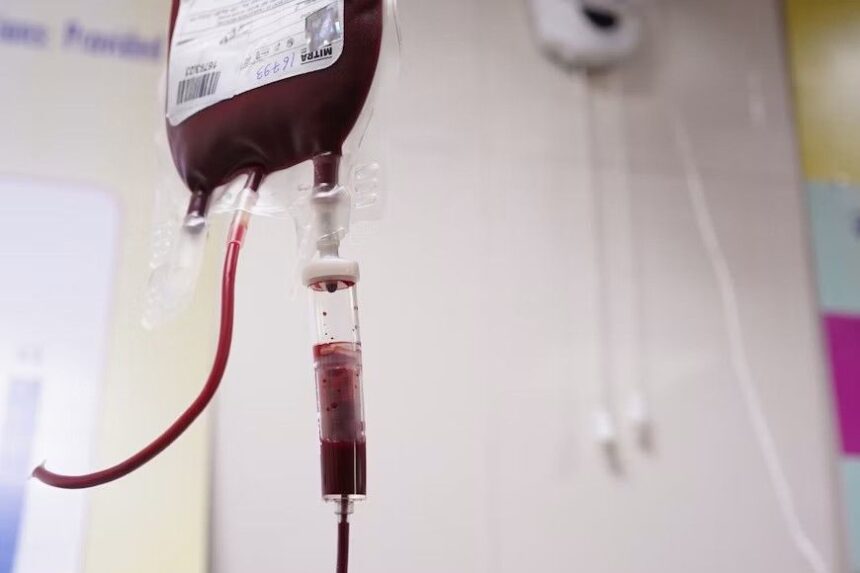

The governing body of Jehovah’s Witnesses has revised its blood transfusion policy to allow members to receive or donate four components of the blood, relying on their conscience, a deviation from the religious organisation’s longstanding position on blood treatment.

“The decision to accept red cells, white cells, plasma or platelets from another person’s blood is a matter of personal conscience,” a statement by Jehovah’s Witnesses world headquarters in New York said on Friday.
The organisation said the decision should follow a personal need to donate any of the aforementioned blood components.

“Each Witness must decide whether or not to donate blood for the clearly expressed purpose of providing components or fractions for use by another person,” it added.
For decades, Jehovah’s Witnesses have maintained a strict policy of not donating or receiving blood, citing the Bible’s Acts 15:20 that instructs believers to abstain from blood.

Still, the church insisted that its position on refusing blood transfusions remains unchanged.
“The longstanding refusal of whole-blood transfusions on religious grounds, a core teaching based on the command to ‘abstain from blood’ (Acts 15:20), is unchanged,” the organisation said.
“Blood remains sacred to Jehovah’s Witnesses, who continue to regard life and blood as precious gifts from God,” it added.
This comes months after the church said members are allowed to store their own blood to be transfused into their own bodies.