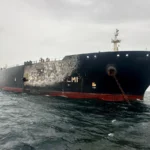

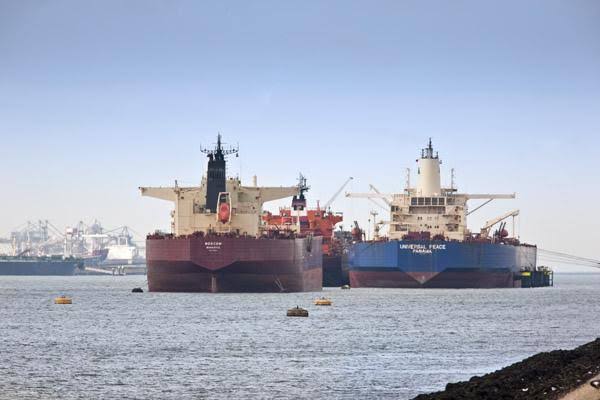

Five vessels carrying petrol and diesel berthed in Lagos amid mounting concerns over global supply disruptions and rising domestic prices.

The Nigerian Ports Authority confirmed that a combined 95,000 metric tonnes (132 million litres) of Premium Motor Spirit and Automotive Gas Oil arrived at the Apapa and Tincan Island ports between March 27 and March 29, 2026, offering temporary relief to a market rattled by instability.
The vessels included Hudson, which discharged 22,000 metric tonnes of diesel at Apapa’s New Oil Jetty, and Kingis, which is scheduled to deliver 15,000 metric tonnes of petrol at Lister Oil Jetty. Leste brought in 20,000 metric tonnes of diesel through the Bulk Oil Plant Terminal, while Savanna delivered 16,000 metric tonnes of petrol at Tincan’s Kirikiri Lighter Terminal. Kobe rounded off the arrivals with 22,000 metric tonnes of diesel at KLT Phase 2.

The shipments come against the backdrop of geopolitical tensions in the Middle East that have disrupted global energy flows and driven up crude prices.
In response, Nigeria’s downstream regulator, the NMDPRA, has issued fresh import licences for about 180,000 metric tonnes of petrol, reversing its earlier position that domestic refining capacity was sufficient to meet demand.

Six marketers—Bono Energy, Pinnacle, AYM Shafa, Matrix, A.A. Rano, and NIPCO—have been cleared to import roughly 243 million litres of petrol, a move that underscores the fragility of supply despite recent optimism about self-sufficiency.
The policy reversal has sparked unease within the industry. The Dangote Petroleum Refinery, widely seen as a cornerstone of Nigeria’s energy independence, has hinted it may divert production to exports if imports continue to flood the market.
Senior officials at the refinery argue that the government’s decision to issue licences undermines local refining efforts and could force producers to seek more profitable opportunities abroad.
For consumers, the developments translate into uncertainty and rising costs. Domestic fuel prices have already been climbing, straining households and businesses alike.
Analysts warn that while the arrival of the five vessels may ease immediate shortages, the broader picture remains precarious. Nigeria’s reliance on imports, coupled with volatile global markets, leaves the country exposed to sudden shocks that can ripple through the economy.
The latest arrivals in Lagos highlight the delicate balance Nigeria must strike between securing supply and fostering local production.
With global disruptions showing no signs of abating and domestic prices continuing to rise, the country’s path to energy stability remains fraught with challenges.