


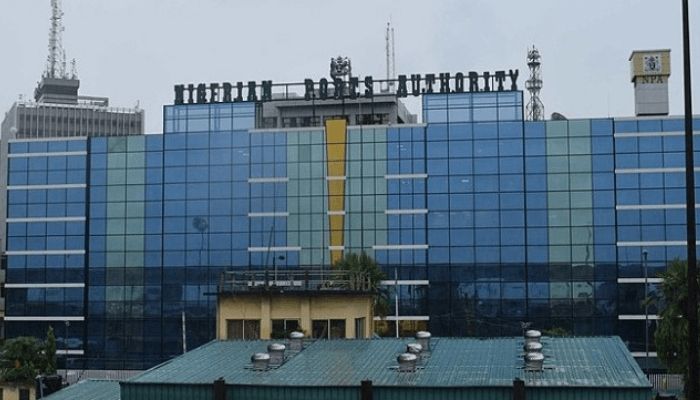
The Nigerian Ports Authority (NPA) says it has secured the required approvals to increase its tariffs to enhance infrastructure and upgrade equipment.

Abubakar Dantsoho, the NPA managing director, spoke at a maritime stakeholders’ meeting in Lagos, according to a post on X on Thursday.
The decision, which marks the first tariff adjustment since 1993, is meant to enhance the performance of Nigerian ports.

“The 15% upward increase which is to cut across all NPA Rates and Dues is premised on the urgent need to address the undesirable reality of aged and weak Infrastructure, obsolete equipment and slow Port capacity expansion which has continued to diminish the performance and indeed competitiveness of Nigerian Ports,” Dantsoho said.
Dantsoho, who was represented by Olalekan Badmus, executive director of marine and operations at NPA, said port authorities worldwide rely on operational revenue to fulfill their responsibilities.

The responsibilities, he said, include the construction and maintenance of infrastructure, dredging of channels, provision of aids for safe navigation, and provision of modern marine crafts for efficient harbour services.
Others include automation and digitisation of port transactions, port security, energy efficiency and training, and employee training.
The NPA boss said Nigeria must act swiftly to regain its competitive edge in cargo handling, especially in light of the global economic shifts and competition from neighbouring countries.
The tariff review, he added, would fund the deployment of information communications technology (ICT) infrastructure necessary for the port community system (PCS) and national single window (NSW).
Supporting the increase, Joshua Asanga, former NPA general manager, said inflation, currently around 35 percent, had significantly eroded the value of the authority’s existing tariffs.
He said operational costs, including wages and fuel, have soared, while NPA’s charges have remained unchanged for over thirty years.
Asanga added that the NPA requires additional funds to improve port infrastructure and procure necessary equipment like tug boats to enhance efficiency.
Another stakeholder, Demian Ukagu, stressed the need for more investment in outer port facilities and jetties, such as the Kirikiri lighter terminal and other key infrastructure projects nationwide.
He said the NPA’s rates should be sufficient to cover the costs, ensuring a minimum return on investment while supporting sustainable trade.
In the social media post, the NPA said the meeting concluded with concerns that maintaining outdated tariffs would result in poor services, inadequate infrastructure, outdated equipment, and an overall decline in port efficiency.
On February 5, the Nigeria Customs Service (NCS) announced the implementation of a 4 percent charge on the free-on-board (FOB) value of imports.
FOB is when the seller is responsible for delivering the goods to the port of departure, clearing it for export and loading the goods on the vessel.
Stakeholders like the Lagos Chamber of Commerce and Industry (LCCI) urged the federal government and the NCS to suspend the levy, warning that the charge may stall shipments and disrupt trade.


