
The Nigerian Communications Commission (NCC) has launched a six-week public consultation on Satellite Direct-to-Device (D2D) connectivity, targeting feedback to craft regulations that could extend mobile services to 23.3 million Nigerians in underserved rural clusters, as identified in the regulator’s 2024 gap study.

Launched January 12 via a detailed consultation paper, the process invites telecom operators, satellite firms, device makers, government agencies, and civil society to address use cases, spectrum needs, interference risks, and public-interest safeguards under Section 71 of the Nigerian Communications Act 2003. Submissions, due by February 23 through an online form, will shape any future licensing, spectrum allocation, and deployment rules without prejudging outcomes.
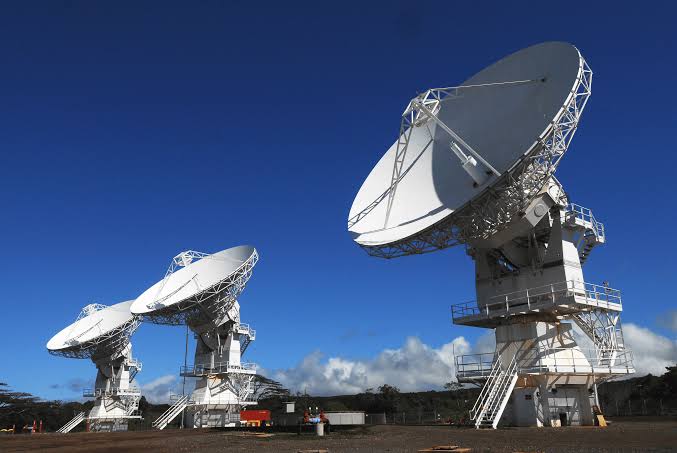
D2D technology enables unmodified smartphones to link directly to satellites for voice, texts, and data, complementing terrestrial networks in remote areas where infrastructure costs, terrain, insecurity, and power shortages hinder expansion. NCC Executive Vice Chairman Dr. Aminu Maida emphasised the need for evidence-based input to balance universal access, competition, consumer protection, and incentives for ground-based investments.

Expert Insights on Potential Impact
Telecom analyst Jide Awe described D2D as an “investment avenue accelerating universal access,” especially amid partnerships like Airtel Africa’s December 2025 deal with SpaceX’s Starlink for direct-to-cell services targeting Nigeria’s 59 million Airtel users in blackspots. “This opens pathways for rural inclusion while preserving urban network growth,” Awe noted, highlighting global pilots in the US, New Zealand, and beyond.
NASRDA Director-General Dr. Matthew Adepoju, reflecting on related satellite initiatives, called D2D a “new era” for seamless phone-to-satellite links, eliminating blind spots for agriculture, IoT, and emergencies—though full rollout faces coexistence challenges with existing mobile spectrum. The NCC paper probes specifics: coverage percentages, bandwidth demands, and safeguards for emergency resilience without stifling fibre or tower investments.

This consultation underscores Nigeria’s digital race against geography and economics, where 61% of rural dwellers remain offline despite 50% national broadband penetration. Questions target MSS vs. IMT spectrum use, authorisation via existing Unified Access Licences or new ones, and metrics for geographic limits to avoid urban interference.
The NCC warns of no automatic approvals, prioritising national goals like the 2025-2030 Spectrum Roadmap amid ITU’s WRC-27 discussions on mobile-satellite allocations. With Airtel-Starlink eyeing 2026 texting and data launches via 650+ satellites, stakeholders must act swiftly via https://forms.cloud.microsoft/r/Mv0YehK2b1.
This positions Nigeria competitively in Africa’s satellite surge, potentially leapfrogging infrastructure hurdles for economic vitality.