

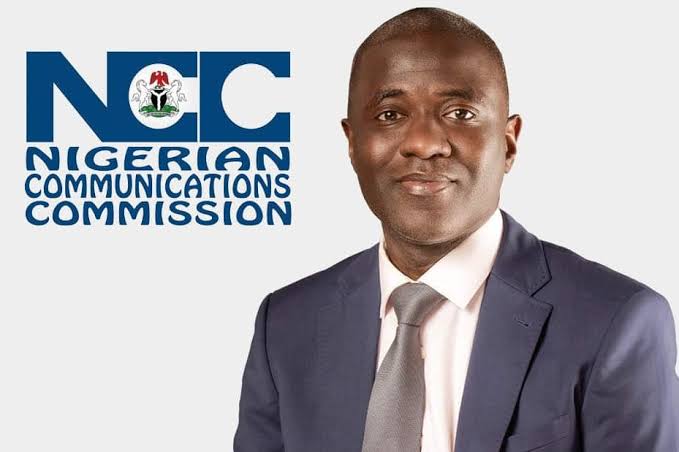

The Nigerian Communications Commission (NCC) has enlisted global consulting firm PricewaterhouseCoopers (PwC) to undertake a thorough assessment of competition levels in Nigeria’s telecommunications industry, amid rising worries over market dominance and threats to fair play.

The move, announced during a stakeholders’ forum on the Study of Competition in the Nigerian Telecommunications Industry in Lagos last Tuesday, seeks to test the relevance of current competition policies against today’s fast-changing market realities.
Nigeria’s telecom sector, a cornerstone of the nation’s digital economy, contributed 9.1 per cent to gross domestic product in the third quarter of 2025. Yet, it grapples with rapid technological shifts, evolving business models, and shifting consumer habits.

Mrs Omotayo Mohammed, Head of the Tariff, Policy, Competition and Economic Analysis Department at the NCC, told the forum that the review addresses the sector’s dynamic evolution.
“Changes in revenue models, investment patterns, and market interactions have significantly altered competitive dynamics,” she said. “Rapid technological advancement, rising investment costs, changing consumer behaviour, and increasing competitive pressure have heightened concerns around market concentration, barriers to entry, and the long-term viability of smaller operators.”

To drive evidence-based decisions, the NCC tapped PwC for an independent, data-driven analysis aligned with global best practices, Mohammed added. She noted that the commission’s previous full-scale study dated back to 2013, with later reviews limited to specific segments. “A holistic reassessment across the entire telecommunications value chain has become imperative,” she stressed, emphasising the study’s diagnostic nature without prejudging outcomes or targeting operators.
PwC’s Director of Strategy, Mr Akolawole Odunlami, described the initiative as timely, pointing to structural changes and decelerating growth worldwide. The global telecom market is forecast to hit $1.3 trillion by 2028, but annual growth has dipped to 2-3 per cent from pre-COVID levels of about four per cent.
In sub-Saharan Africa, subscriber growth persists, yet operators face falling average revenue per user (ARPU), fiercer rivalry, and strain on legacy models, Odunlami said. Consumers now demand “digital experiences such as entertainment, financial services, self-service applications and social connectivity, with data serving as the backbone.”
He outlined how operators are pivoting to lifestyle services like utilities, healthcare, and fintech, even as over-the-top (OTT) platforms such as WhatsApp and Microsoft Teams chip away at voice and messaging income. Emerging tech like 5G—and future 6G—promises further disruption, though Nigeria lags due to infrastructure deficits, meagre R&D, and low 5G device penetration. PwC estimates sub-Saharan 5G adoption at 14-17 per cent short-term, far below global norms, underscoring the urgency for policy and investment boosts.
The review arrives as Nigeria introduces new Mobile Virtual Network Operators (MVNOs), licensed to piggyback on major networks. Stakeholders worry that entrenched dominance may hobble their viability. Of 43 licences issued two years ago, only one had launched commercially by November 2025.
The study aims to bolster sustainable competition, wider innovation, and inclusion in a sector vital to Nigeria’s economic growth.