


The Centre for the Promotion of Private Enterprise (CPPE) has projected that Nigeria’s economy will remain on a gradual recovery path in the second half of 2026, supported by growth in financial services, telecommunications, construction, trade, and oil refining.

However, the economic policy think tank warned that rising political activity ahead of the 2027 general elections could pose risks to macroeconomic stability and slow the pace of reforms.
The projection was contained in CPPE’s half-year economic review.

According to the report, the organisation expects inflation to remain significantly lower than 2025 levels, while exchange-rate stability is likely to be sustained by stronger foreign exchange inflows and improved external reserves.
CPPE also projected continued resilience in the financial markets, driven by ongoing banking sector recapitalisation efforts and stronger corporate earnings.

Despite the improving outlook, the think tank cautioned that election-related developments could create fresh economic pressures in the months ahead.
“Election-related spending could inject additional liquidity into the economy, with possible implications for inflationary pressures, foreign exchange demand and macroeconomic management,” CPPE stated.
The organisation further warned that heightened political activity could divert attention from policy implementation and slow the execution of critical government programmes.
“The defining policy challenge for the remainder of 2026 is therefore to convert improved macroeconomic conditions into inclusive, investment-driven and productivity-enhancing growth,” the report added.
Reviewing economic developments in the first half of the year, CPPE noted that Nigeria entered the second half of 2026 with significantly stronger macroeconomic indicators compared to the beginning of the year.
The organisation cited exchange-rate stability, improved crude oil production, stronger external reserves, resilient financial markets, and enhanced government revenues from both oil and non-oil sources as key positives.
However, it stressed that the real economy continues to face significant challenges.
According to the report, elevated interest rates have constrained private-sector investment, while persistent energy costs, unreliable electricity supply, logistics bottlenecks, and insecurity have continued to raise operating costs for manufacturers, farmers, and micro, small and medium-sized enterprises (MSMEs).
The think tank also noted that capital expenditure performance remains below expectations due to procurement delays and debt-servicing obligations.
Focus must shift to competitiveness
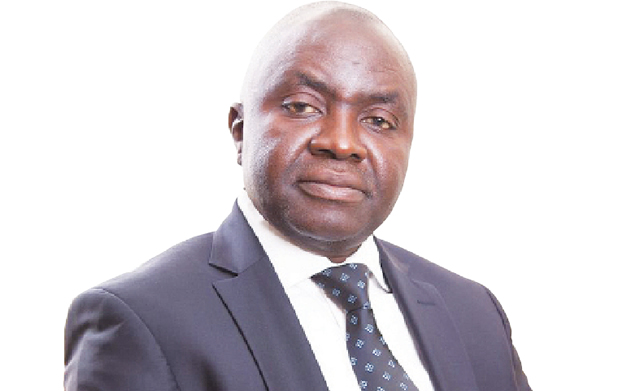
Speaking on the outlook for the remainder of the year, CPPE Chief Executive Officer, Muda Yusuf, said policymakers must move beyond macroeconomic stabilisation and focus on improving competitiveness across key sectors of the economy.
He called for accelerated reforms in power supply, transportation infrastructure, port operations, security in farming communities, and access to affordable long-term financing.
“The quality of economic management in the remainder of 2026 will therefore be judged less by the stability of macroeconomic indicators than by the extent to which structural reforms improve productivity and reduce the cost of doing business,” Yusuf said.
The latest assessment comes weeks after CPPE urged the government to strengthen food security measures and address insecurity in agricultural communities as part of efforts to contain inflation.
Nigeria’s headline inflation rate rose to 15.93% in May 2026 from 15.69% recorded in April, reflecting continued pressure on household incomes and business operating costs.
CPPE attributed part of the increase to the impact of geopolitical tensions in the Middle East, which affected global energy markets and supply chains, adding to domestic inflationary pressures.