

The Nigeria Police Force has begun preparations for the 2027 general elections, adopting predictive policing and risk analysis to identify potential flashpoints and guide the deployment of personnel across 176,846 polling units nationwide.

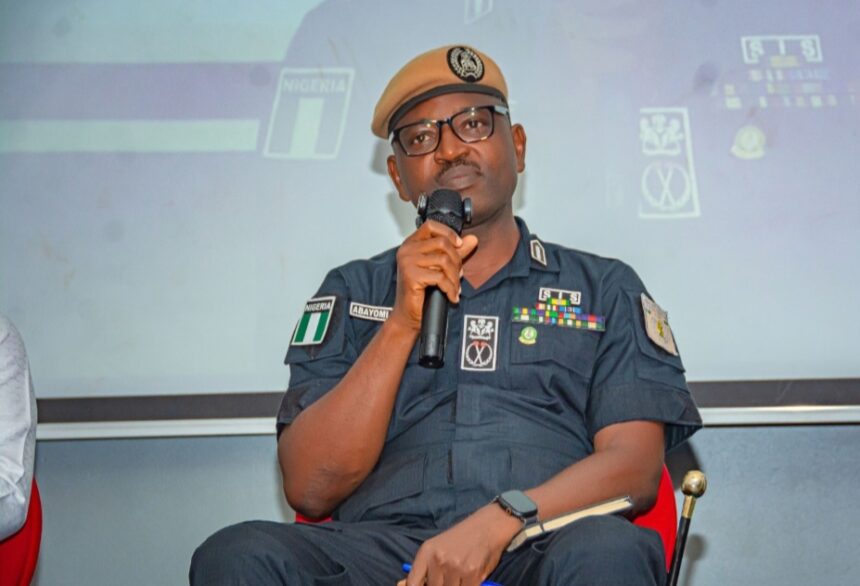
Commissioner of Police in charge of Election Planning, Monitoring and Evaluation, Force Headquarters, Abuja, Dr Abayomi Shogunle, disclosed this on Thursday at the 2026 annual conference of the Guild of Corporate Publishers (GOCOP) in Lagos.
Shogunle, who spoke during a panel session themed “2027 Elections: Trust, Transparency and Shared Responsibilities”, said the police were drawing on academic research and lessons from previous elections to improve security and prevent violence.
He cited the governorship elections in Anambra and Ekiti states as examples of the approach, claiming that the strategy had helped minimise security incidents and improve voter participation.

“We found out that we needed to do different things. We brought in the academic angle as it is done in other countries. The Anambra State election was our first test. For once, election was conducted in one day. There was no shooting, no killing. There rather was an increase in voter turnout,” he said.
According to him, the police applied the problem analysis triangle, which examines the relationship between a potential offender, a suitable target and the absence of effective guardianship, to identify and address factors that could facilitate electoral violence.
“We removed all those that were against election,” he added.
Shogunle also said the police deployed deterrence strategies and a multilayered security arrangement during the Ekiti election, taking into account the state’s proximity to neighbouring states, including Kogi and Kwara.

He noted that election security management had evolved, stressing that even elections conducted in a single state could attract outsiders capable of disrupting the process.
The police commissioner assured Nigerians that adequate personnel would be deployed for the 2027 elections, adding that the force would operate within the provisions of the law, particularly regarding the authority to announce election results.
The conference also examined the responsibilities of electoral institutions, politicians, the media and citizens in ensuring credible elections.
In his opening remarks, the conference chairman, Dr Olisa Agbakoba, a Senior Advocate of Nigeria and former president of the Nigerian Bar Association, described citizens as the principal stakeholders in the country’s democracy.
He urged the Independent National Electoral Commission (INEC) to ensure that the 2027 elections were free, fair and credible.
Agbakoba also questioned the constitutional authority to declare election results amid the growing circulation of opinion polls, projections and unofficial results across traditional and digital media platforms.
Earlier, GOCOP President, Danlami Nmodu, said the conference came at a critical moment as Nigeria prepared for another general election.
He called for greater public trust in institutions, transparency in the electoral process and collective responsibility for credible elections.
Nmodu urged politicians to prioritise citizens’ welfare, while calling on journalists to hold both the government and opposition accountable through factual, fair and balanced reporting.
He also urged the government to intensify efforts to tackle insecurity, promote peace and create a safer environment for economic activities and investment.
In a goodwill message, Imo State Governor Hope Uzodimma, represented by the state’s Commissioner for Information, Declan Emelumba, urged journalists to remain objective and report facts throughout the electoral process.
The conference, which ended on Thursday, October 8, brought together media professionals and other stakeholders to discuss the challenges and responsibilities surrounding Nigeria’s 2027 general elections.
Clarify the police commissioner’s legal remark