
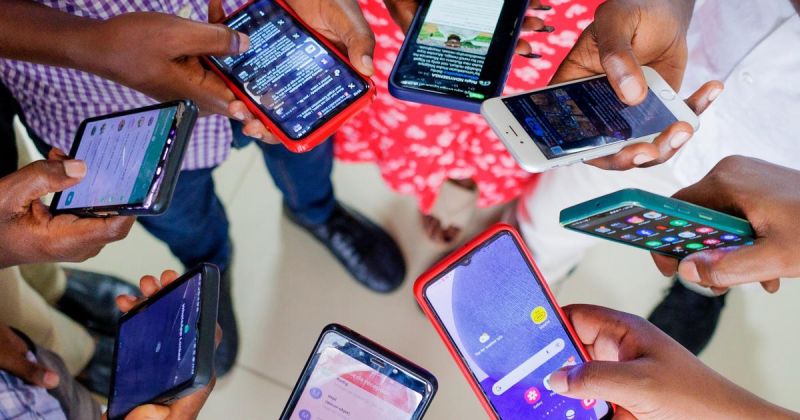

Nigeria’s broadband penetration edged up to 49.89 per cent in October 2025, marking a steady rise from 49.34 per cent the previous month and 48.81 per cent in August, according to the latest statistics from the Nigerian Communications Commission. This incremental progress signals growing access to high-speed internet across the country, driven by surging demand for data services that power everything from mobile banking to remote work.
Active mobile subscriptions followed suit, swelling to 175.3 million lines by October and lifting teledensity to 80.87 per cent. That’s a notable increase from September’s 173.5 million lines at 80.05 per cent teledensity and August’s 171.6 million at 79.14 per cent. Industry observers point to robust consumer appetite for voice and data alongside gradual network expansions, even as operators battle persistent hurdles like inadequate infrastructure, skyrocketing operational costs, and unreliable electricity.

MTN Nigeria continues to lead the pack with 91.1 million active lines, commanding a 52.02 per cent market share, while Airtel Nigeria trails closely with 59 million subscribers at 33.72 per cent. Globacom holds third place with 21.8 million lines for a 12.47 per cent share, and 9mobile rounds out the field with 3.1 million active connections representing 1.79 per cent.
Experts see these figures as a positive barometer for digital inclusion and economic vitality, though they stress the need for accelerated rural expansion, better service quality, and deeper broadband rollout to fully harness Nigeria’s telecom potential.

With the NCC recently issuing directives for telcos to improve service delivery, the sector—valued at over N3 trillion—stands poised to anchor the nation’s digital economy under the Renewed Hope agenda, fueling e-commerce, fintech innovation, and broader connectivity.